
EducationOctober 22, 2026 · 5 min read
The Sharpe Ratio Explained: Measuring Risk-Adjusted Returns
Learn what the Sharpe ratio is, how to calculate it, and why risk-adjusted returns matter more than raw performance when evaluating investments.
Investment insights, portfolio analysis tips, and financial planning strategies.
Written in house: drafted with AI tools, edited by Melroy, on topics he chose.

Small cap and large cap stocks behave very differently over market cycles. Understanding when each tends to outperform - and the real risks involved - helps you build a more resilient portfolio.
Read article →Learn what the Sharpe ratio is, how to calculate it, and why risk-adjusted returns matter more than raw performance when evaluating investments.
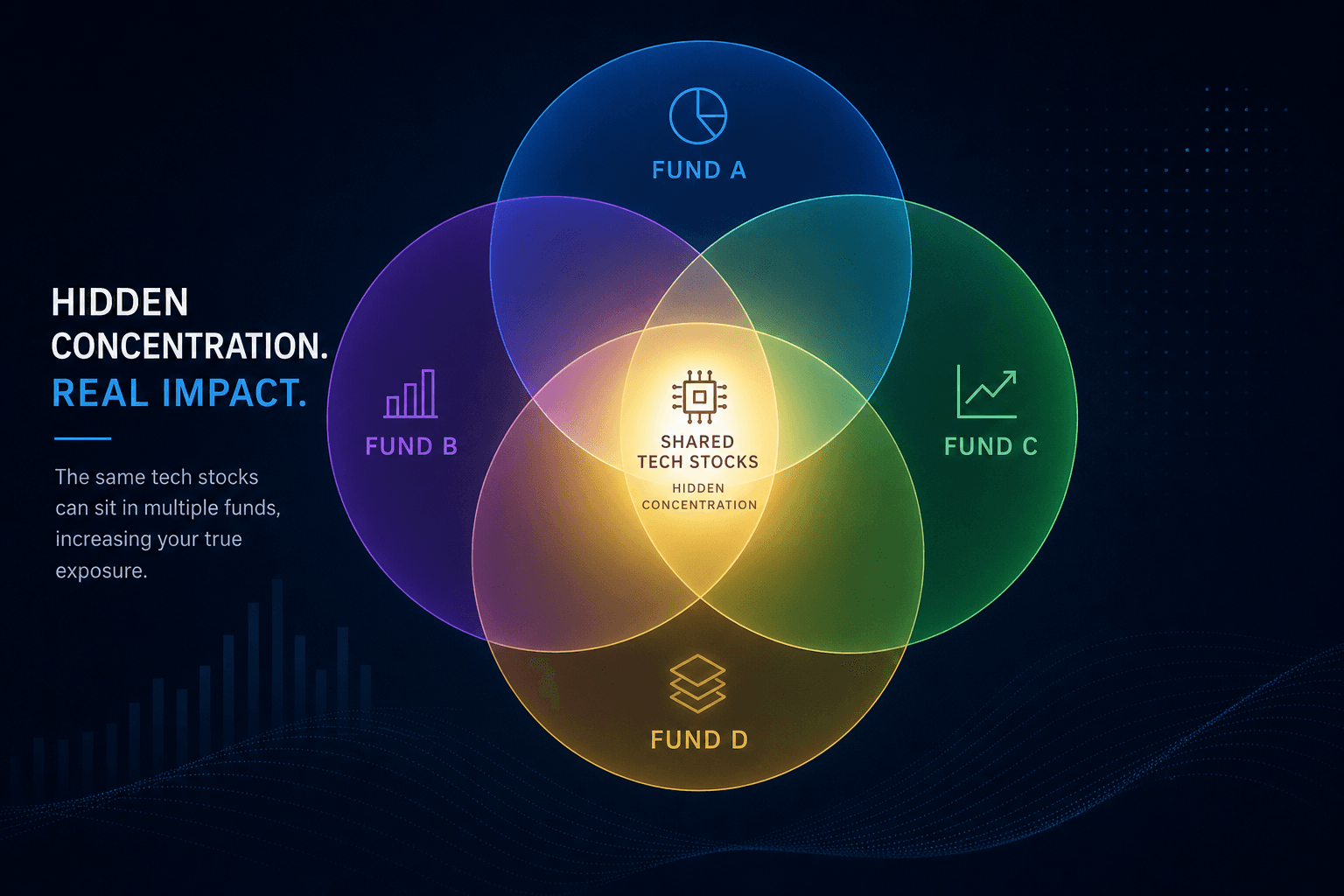
When you own four 'diversified' funds, the same stocks appear in all of them. Here's how to see your true sector exposure - and why the number is almost always a surprise.

Sector rotation is the idea that different sectors lead at different stages of the economic cycle. Here is how it works, the evidence behind it, and whether individual investors should bother.

Learn how to analyze sector exposure in your investment portfolio to identify hidden concentrations, manage risk, and build a more resilient portfolio.

Learn what Real Estate Investment Trusts (REITs) are, how they work, their tax implications, and how to use REITs to add real estate exposure to your portfolio.

Learn about the cognitive biases and emotional traps that lead investors to make costly mistakes, and discover strategies to invest more rationally.

Empower built a great portfolio dashboard. Then they attached a sales team to it. Here's what that means for self-directed investors.

Compound interest is the mechanism that turns modest savings into substantial wealth. Understanding it deeply - including what works against it - changes how you approach every financial decision.
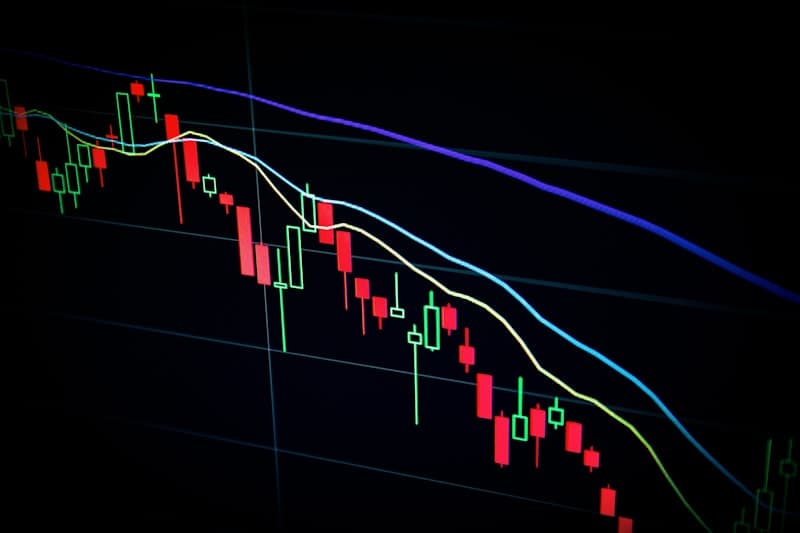
Learn how to use the price-to-earnings ratio and other key valuation metrics to assess whether a stock or fund is overvalued, undervalued, or fairly priced.

Learn what Morningstar-style portfolio analysis is, how it works, and how Prismfolio brings powerful X-Ray features to your investment analysis.

Learn smart, legal tax strategies for investors including tax-loss harvesting, asset location, and how to optimize your portfolio for after-tax returns.

Inflation erodes purchasing power over time. Learn which asset classes protect against inflation and how to build an inflation-resistant investment portfolio.

The debate is settled by data: learn why most active funds underperform index funds and when active management might make sense for your portfolio.

Learn how to decode a mutual fund or ETF fact sheet, understand key metrics like expense ratio, turnover, holdings, and benchmark comparisons.

Your monthly brokerage statement contains more useful information than most investors realize. Learn how to decode every section and spot the numbers that actually matter.

Most investors know their expense ratios. Almost nobody knows their 30-year dollar cost. Here's how to find it - and why the number is almost always larger than you expect.

Step-by-step guide to importing your investment portfolio from Fidelity, Schwab, Vanguard, and other popular brokerages using Prismfolio.

A written investment plan is one of the most underused tools in personal finance. Here is how to create one that covers your goals, risk tolerance, asset allocation, account structure, and rebalancing rules.

The "25x rule" gives you a concrete retirement number - but where it comes from, when it breaks down, and how to calculate your own target matters just as much as the formula.

Discover the hidden fees that can erode your mutual fund returns, including 12b-1 fees, transaction costs, and revenue sharing arrangements.

Growth and value are two of the most enduring investment philosophies. Learn how each works, how they have historically performed, and how to decide which belongs in your portfolio.

Understand the key differences between ETFs and mutual funds, including costs, tax efficiency, trading flexibility, and when to choose each type of investment.

ESG investing has grown from a niche idea to a multi-trillion dollar category. But what do the letters actually mean, how are companies rated, and does aligning your portfolio with your values hurt your returns?

Should you build an emergency fund or start investing? Learn the right order of financial operations and how to balance safety with long-term wealth building.

Understand how dollar-cost averaging works, why it reduces risk, and how to implement it in your investment portfolio to build wealth steadily over time.

Learn how dividend investing works, how to evaluate dividend stocks and funds, and how to build a portfolio that generates consistent passive income.

Learn when and how to rebalance your investment portfolio to maintain your target asset allocation and manage risk effectively.

Understand how capital gains taxes work, the difference between short-term and long-term rates, and smart strategies to minimize your tax burden when investing.

Learn how to construct a properly diversified investment portfolio that balances risk and return across asset classes, sectors, and geographies.

Discover how the right asset allocation changes as you move from your 20s to retirement, and learn to build a portfolio that matches your life stage.
The classic 60% stocks, 40% bonds portfolio has faced criticism in recent years. Examine the evidence and learn when this time-tested allocation still makes sense.
Hidden fees are one of the biggest drags on investment returns. Here is a step-by-step guide to finding every fee in your portfolio using Prismfolio's Fee Detector.

Every other portfolio tool starts with a Plaid connection. Prismfolio starts differently. Here's why - and what we give up by doing it this way.

Knowing what a tool refuses to do is as important as knowing what it does. Here are five things we've deliberately decided not to build - and why.

Introducing Prismfolio - a portfolio analysis tool that helps you understand diversification, sector exposure, concentration risk, and fund fees.